Enigma Variations & Bruch’s Violin Concerto

About This Event
This program at David Geffen Hall pairs Edward Elgar’s Enigma Variations with Max Bruch’s Violin Concerto. The pairing juxtaposes Elgar’s orchestral characterization with Bruch’s late‑Romantic lyricism, presented with Danish violinist and conductor Nikolaj Szeps‑Znaider as soloist. Both works reflect late‑19th and early‑20th‑century orchestral practice, one emphasizing character sketches and the other solo lyricism.
About Violin Concerto No. 1 in G minor, Op. 26(concerto)
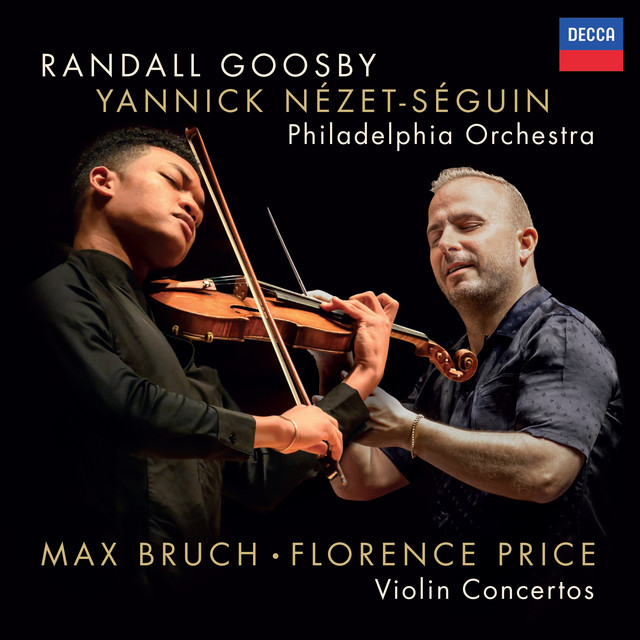
Max Bruch’s *Violin Concerto No. 1 in G minor, Op. 26* (1866–68) sits at the center of the Romantic violin tradition in New York, a work the city’s orchestras have long treated as repertory rather than novelty, even if its exact NYC premiere record is unevenly documented in public sources. It favors songful line over argument, moving from an urgent opening to a broad, vocal slow movement and a dance-driven finale. At David Geffen Hall, it is heard alongside Elgar’s *Enigma Variations*, a pairing that frames two late‑Romantic paths. Bruch’s directness can read, pointedly, as a quiet refusal of symphonic complexity.
About the Artists
Nikolaj Szeps-Znaider
Nikolaj Szeps-Znaider is a Danish violinist and conductor known for his performances as a soloist and his work with various orchestras.
Edward Elgar
Renowned for his evocative compositions and profound impact on the classical music landscape, Edward Elgar's legacy continues to resonate in concert halls worldwide, including New York City's iconic David Geffen Hall.

Max Bruch
Max Bruch was a German Romantic-era composer who also worked as a violinist, teacher, and conductor, shaping his music from inside the performance tradition. He produced a large catalog, but his First Violin Concerto remains the work most closely tied to the concert stage, often heard alongside late-19th-century orchestral showpieces such as Elgar’s *Enigma Variations*.