People keep calling Innocence “the contemporary opera that changed everything,” and I get why—then I also roll my eyes a little.
Because here’s the uncomfortable truth: contemporary opera only “changes everything” for the crowd that actually shows up. And in New York, the conversation always splits in two camps—people hungry for new work that doesn’t pander, and people who are exhausted by modern operas that feel like moral homework.
That tension is exactly why Innocence Met Opera 2026 matters. Not as a victory lap. As a stress test. Can a new opera become repertoire—something you want to revisit with different casts, different nights, different scars—or is it a one-and-done prestige object?
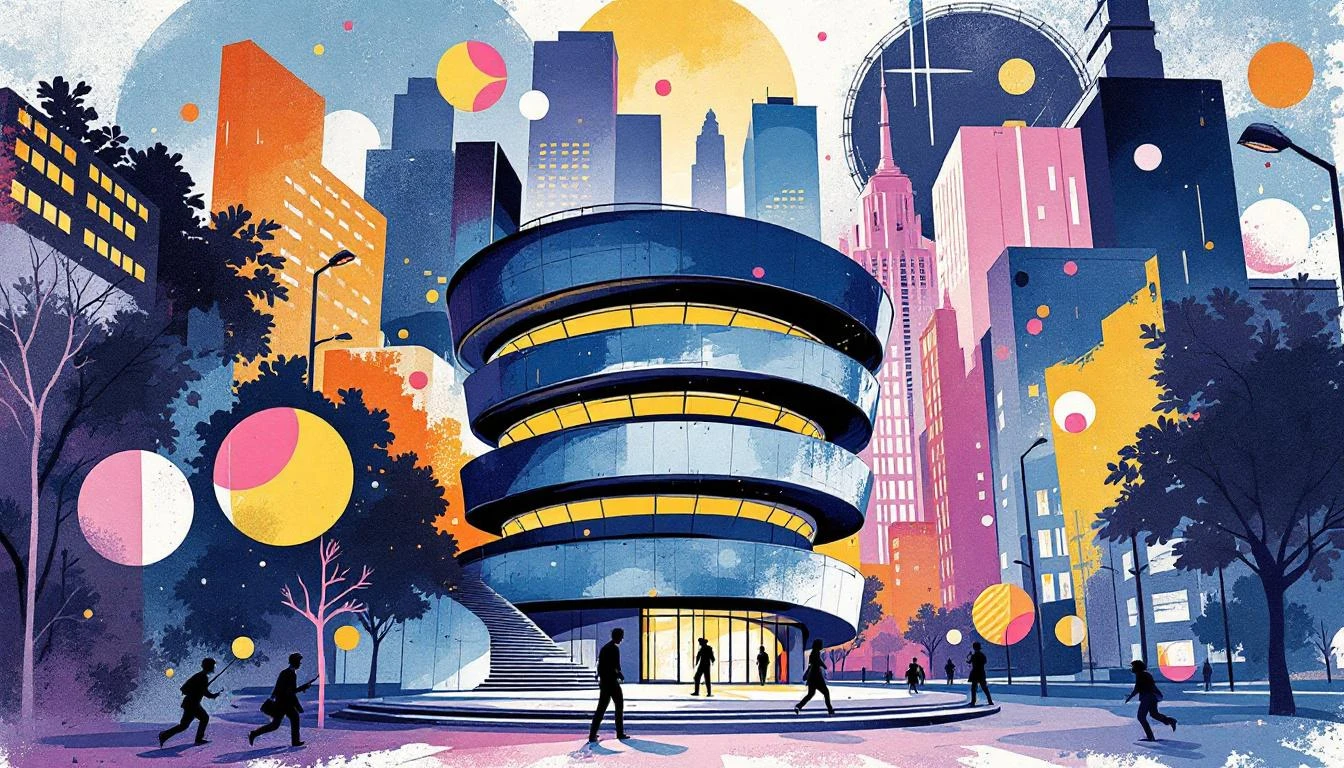
If you want one concrete way into the piece without committing to a full run at the big house, the city is giving you a sharp entry point: Works & Process: The Metropolitan Opera: Kaija Saariaho’s Innocence at the Solomon R. Guggenheim Museum on Monday, March 30, 2026. It’s part of the Works & Process series, in that spiraling Frank Lloyd Wright rotunda where sound doesn’t just travel—it hangs.
And if you’re building your month more broadly, keep a tab open for all NYC events—because this is exactly the kind of night that pairs well with something lighter the next day.
Innocence Met Opera 2026: is it “too dark,” or finally honest?
Yes, it’s dark. That’s not a spoiler; it’s the point.
The real debate around Innocence isn’t whether it’s heavy—it’s whether opera audiences are willing to sit with heaviness without the cushion of period costumes and historical distance. Some people are openly tired of contemporary opera defaulting to tragedy with a capital T. They want wit, romance, screwball plots, the mess of modern life that isn’t automatically a funeral procession.
But here’s my pushback: Innocence earns its severity. It doesn’t feel like it borrows “importance” from the topic because the music can’t hold your attention. Saariaho writes sound that gets under your skin—shimmering, suspended, quietly relentless. If you’ve ever left a show humming nothing but thinking about it for days, you know the difference between “memorable” and “important.” This piece aims for the second, and mostly lands there.
What might not work for you is the way it lands. People argue about “rewatchability” for new operas—whether the piece invites return visits the way Traviata or Rosenkavalier does. That’s a fair question. With Innocence, the return isn’t about comfort. It’s about detail: the things you miss the first time because your brain is busy bracing.
If you’re new to opera and want context for how this fits into the larger ecosystem, start with Performatist’s opera guide—then come back to Innocence when you’re ready for an opera that doesn’t do “pretty” as a default setting.
Kaija Saariaho opera: what the music actually feels like in the room
Let’s talk sensation, not résumé.
A Kaija Saariaho opera doesn’t behave like the repertory warhorses. You don’t get big, symmetrical aria-applause-aria blocks. Instead you get a kind of luminous pressure—textures that glow, thicken, and shift like light on metal. The sound can feel close to your face even when it’s quiet.
If you’re the type who loves Debussy and that whole “titles-at-the-end, let your brain paint its own image” philosophy, Saariaho scratches a similar itch, just in a more contemporary accent. The music gives you room to interpret, but it doesn’t let you off the hook emotionally.
And in a venue like the Guggenheim—where you’re aware of architecture every second—this matters. The rotunda doesn’t disappear the way a black-box theater does. You’re inside a public monument. It’s a weirdly good match for a piece that interrogates public and private grief.
If you want to triangulate where Innocence sits across NYC music culture—between contemporary classical, opera, and the broader downtown/new-music crowd—browse the classical guide alongside the opera guide. The people who love Innocence tend to live in the overlap.
Met Opera contemporary opera: the real fight is distribution (not taste)
A lot of the loudest conversation around Met Opera contemporary opera isn’t about whether the art is good. It’s about access.
Opera audiences now expect a parallel life for big productions: Live in HD, radio broadcasts, on-demand video. When a title isn’t available in those formats, it can feel like the institution is hiding the ball—or admitting they don’t think the broader audience will buy a ticket (in the theater or at the cinema).
And there’s a practical, unglamorous counterpoint: filming is expensive, and contemporary titles often sell fewer HD tickets while costing roughly the same to produce and distribute. That creates a feedback loop. New work gets fewer screenings, which makes it harder for new work to build an audience, which makes it easier to justify fewer screenings.
So when people ask “Why can’t I stream it?” they’re not being entitled. They’re clocking a structural problem: opera wants to be part of modern media habits, but it can’t always afford to be.
This is also why nights like Works & Process matter. They’re not a substitute for the full production, but they are a way to make the conversation physical again—get people in a room, hear the sound live, feel the stakes.
If your calendar is already packed and you’re choosing between genres, be honest: sometimes the right antidote to heavy opera is two hours of jokes. Keep comedy shows in your back pocket.
Innocence opera NYC: why the Guggenheim presentation is the smart entry point
If you’re curious but wary, Innocence opera NYC via Works & Process is a strategically good way in.
You’re not committing to the full Met-sized machine. You’re getting a curated presentation tied to the institution that’s bringing the work forward. And you’re doing it in a space that makes you listen differently.
Also: the Guggenheim crowd is its own ecosystem. There’s less of the “I’m here because I always come to the Met” energy, more of the “I saw something strange last week and I’m chasing that feeling again.” That’s a better audience for a piece that doesn’t reward passive consumption.
If you’re visiting from out of town, this is the kind of event that slots neatly into a broader culture itinerary—museum in the afternoon, performance at night, then late food nearby. For venue browsing beyond this one night, Performatist’s venues directory is the quickest rabbit hole.
What to listen for: the piece doesn’t “build,” it tightens
If you’re waiting for the big operatic release valve—the moment the soprano plants her feet and detonates—you may miss what Saariaho is doing.
The drama in Innocence tightens like a screw. Musical gestures recur and shift. Textures bloom, then drain of color. The air changes. It’s closer to psychological thriller pacing than to grand-opera architecture.
The best way to watch is to stop hunting for the “number” you’re supposed to applaud. Let the work run on you like weather.
And yes, that can make people restless. Some listeners equate “enjoyable” with “immediately singable,” and contemporary opera often loses that fight. But Innocence isn’t trying to be hummed on the subway. It’s trying to change your temperature.
If you want a palate cleanser in the same week—something with more overt theatrical sugar—scan the theater guide or even the broadway guide. You don’t have to make every night a trial.
Practical info: Works & Process: The Met’s Innocence at the Guggenheim
Here’s what you actually need to plan the night.
- Event: Works & Process: The Metropolitan Opera: Kaija Saariaho’s Innocence at Solomon R. Guggenheim Museum
- Where: Solomon R. Guggenheim Museum (Works & Process series)
- When: Monday, March 30, 2026
- Tickets (official): https://www.guggenheim.org/event/works-process-the-metropolitan-opera-kaija-saariahos-innocence/2026-03-30
A couple of real-world tips that matter more than they should:
- Arrive early. Works & Process nights can feel like the whole room is finding its seat at once, and the Guggenheim rotunda isn’t built for a leisurely last-minute shuffle.
- Dress for museum-comfort, not gala fantasy. This isn’t a red-carpet Met night; it’s closer to a culture-forward crowd that wants to be able to breathe.
- If you’re hunting for other opera dates around that week, start from all NYC events and filter outward. Don’t rely on memory. Spring calendars change fast.
So… does Innocence “change everything,” or is that just hype?
My honest take: Innocence changes everything for a specific slice of the opera world—the people who want new work that doesn’t wink, doesn’t soften the edges, and doesn’t apologize for being contemporary.
For everyone else, it’s a challenge. And that’s fine. Opera needs some titles that function like comfort food, and some that function like a hard conversation you keep replaying.
The bigger “change everything” question is whether the Met (and its audience) will treat works like this as repertoire—something with a life beyond the first wave of attention, beyond the single cast everyone associates with it, beyond the prestige of having been there.
If you go on Monday, March 30, 2026, go with the right expectation: not “I hope this is fun,” but “I want to feel what people are arguing about.” Then decide where you land.
And if you want to keep building a month that balances intensity with joy, bounce between genres—dance when you need the body to take over, jazz shows when you want risk without doom, and opera when you want the big questions with nowhere to hide.